
An Illegal Samosa Unit in Hyderabad came under the scanner after a joint police raid in Jiyaguda exposed unsafe food practices. Officials found spoiled ingredients, reused oil, and a large stock of samosas prepared in unhygienic conditions. The action has triggered concern among Hyderabad residents because samosas remain one of the city’s most popular snacks. The raid also highlights the growing push for stricter food safety checks in local markets.
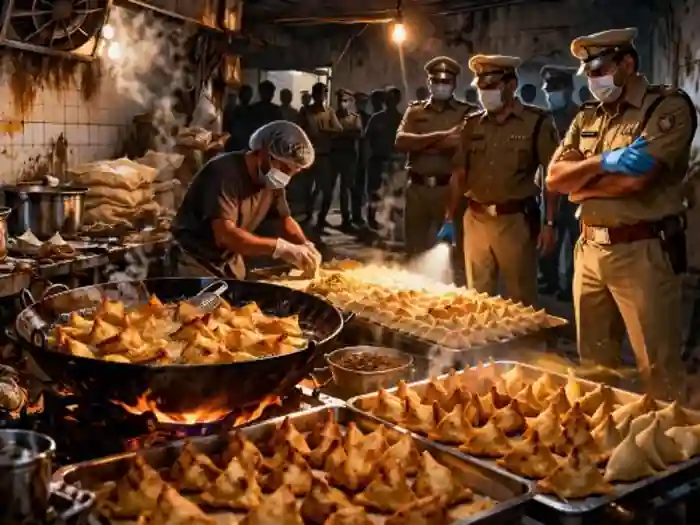
Raid In Jiyaguda Exposes Unsafe Food Practices
The Hyderabad Food Adulteration Surveillance Team, known as H-FAST, carried out the raid with support from Kulsumpura Police. Officials acted on specific information about a food unit operating in Jiyaguda. During the inspection, they found that the setup prepared samosas on a large scale without following basic safety norms. Reports published on March 21, 2026, said the raid took place on March 20. Authorities treated the case seriously because the unit supplied ready-to-eat food that could reach many customers quickly.
Illegal Samosa Unit Ran Without Key Licences
Investigators said Abdul Rasheed, 73, ran the unit without an FSSAI licence, trade licence, or fire safety clearance. These missing documents matter because food businesses must meet legal and hygiene standards before they sell products to the public. A large food unit cannot operate safely without regulatory checks. Officials believe the absence of these approvals increased the risk to public health.
Spoiled Eggs And Reused Oil Raise Health Concerns
The raid team found stale boiled eggs and repeatedly reused cooking oil inside the unit. Officials also described the overall condition of the premises as grossly unhygienic. Food prepared with spoiled ingredients can harm consumers, especially when production happens on a large scale. Reused oil can lower food quality and increase health risks. These findings turned the case into a major local food safety issue rather than a routine inspection matter.
Food Stock Worth Rs 5 Lakh Seized
Police and food safety officials seized food stock, raw materials, and machinery worth about Rs 5 lakh. Reports said the confiscated items included around 500 spoiled boiled eggs, 5 kilograms of reused oil, and large quantities of prepared samosas. The team also recovered onion samosas, egg samosas, and sweet corn samosas from the unit. Along with food items, officials seized equipment used for processing and frying. The scale of the seizure showed that the unit had a wide output and could have supplied many outlets or vendors.
Why This Hyderabad Raid Matters
This Hyderabad raid matters because samosas sell in almost every neighbourhood across the city. People buy them from tea stalls, bakeries, roadside counters, and small food outlets every day. When an illegal food unit cuts corners, the risk spreads far beyond one location. Unsafe food can move quickly through local markets. That makes enforcement important, especially in a busy city where cheap snack demand stays high.
The case also sends a strong message to small food operators. Authorities are watching units that ignore hygiene rules or skip licences. A business may try to lower costs by using poor ingredients or unsafe methods, but such shortcuts can put public health at risk. The Jiyaguda case shows that Hyderabad officials are ready to crack down on such operations.
Consumers Must Stay Alert
Residents also have a role in improving food safety. Buyers often focus on taste, price, and convenience, but hygiene deserves equal attention. Consumers should check whether a food outlet looks clean and whether it stores ingredients properly. They should avoid places that show dirty preparation areas, old oil, or poor handling practices. Public awareness can help reduce demand for unsafe products and push sellers to maintain standards.
Investigation Continues After The Raid
Police have taken the operator into custody, and the investigation continues. Officials are expected to examine the seized stock, the supply chain, and the legal violations linked to the unit. The case may lead to more inspections across Hyderabad, especially in areas where snack production happens in bulk. The action could also encourage tougher monitoring of illegal food businesses in the city.
Food Safety Becomes A Bigger City Issue
The illegal samosa case reflects a larger concern in Hyderabad. Food safety teams now face pressure to act faster against units that operate without approval. Street food and snack businesses serve huge numbers of customers each day. Because of that, even one unsafe manufacturing unit can affect many people. Strong enforcement, regular inspections, and public vigilance can help reduce such risks.
Hyderabad has seen several food safety crackdowns in recent times. That trend suggests authorities want to tighten checks across the city. The latest raid in Jiyaguda adds to that effort and shows that enforcement teams will not ignore violations that threaten public health.
Illegal Samosa Unit Case Sends A Clear Warning
The Illegal Samosa Unit busted in Hyderabad has become a major local news story because it touches daily life, public health, and food regulation. Samosas may look like an ordinary snack, but the process behind them must meet strict hygiene standards. The Jiyaguda raid revealed what can happen when a unit ignores those standards. Officials seized unsafe stock, uncovered major violations, and opened a wider conversation about food safety in Hyderabad.
For local readers, the message is simple. Safe food matters as much as affordable food. Authorities have acted against one illegal samosa unit, but the larger goal is to keep Hyderabad’s food supply cleaner and safer for everyone.