
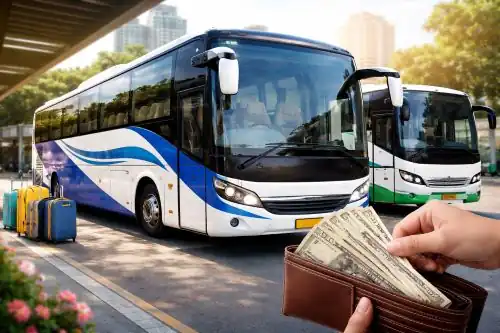
TGSRTC fare cut brings welcome relief to daily commuters in Hyderabad. The transport corporation has reduced fares on AC and deluxe buses by 30%. This move aims to boost ridership and make public transport more attractive.
A Timely Decision for Urban Travelers
The decision comes at a time when many residents face rising living costs. Transport expenses form a big part of daily spending. With the TGSRTC fare cut, passengers can now save money without compromising comfort.
Officials confirmed that the revised fares apply across major city routes. Both AC buses and deluxe services fall under the new pricing structure. Many office workers and students rely on these buses for daily travel. They will benefit the most from this change.
What the Fare Reduction Means
The 30% reduction directly lowers ticket prices on selected services. Passengers who avoided AC buses due to high costs may now consider them again. This shift can increase ridership on premium services.
For example, a commuter who paid ₹100 earlier will now pay around ₹70. This simple change creates noticeable savings over a month. Regular travelers could save hundreds of rupees.
Boost for Public Transport Usage
The TGSRTC fare cut aims to bring more people back to buses. Many commuters switched to private vehicles in recent years. High fuel prices and traffic congestion continue to trouble city roads.
Lower bus fares offer a practical alternative. Public transport reduces road congestion and pollution. It also supports sustainable urban mobility. Hyderabad can benefit from fewer vehicles on busy roads.
Impact on Daily Commuters
Daily passengers welcomed the announcement. Many people depend on buses for work, education, and errands. The fare cut makes travel easier and more affordable.
Office workers who travel long distances will see the biggest savings. Students also benefit from reduced travel costs. Families can now consider AC buses for comfort during hot weather.
Strategy Behind the Move
Transport experts believe the decision reflects a smart strategy. Lower fares can increase passenger volume. Higher occupancy may balance revenue losses.
Authorities aim to attract both regular and occasional travelers. AC and deluxe buses often run with empty seats during off-peak hours. Reduced fares can improve utilization rates.
Competition with Ride Services
Private ride services and bike taxis have gained popularity in Hyderabad. Many people prefer them for convenience. However, they often cost more than buses.
The TGSRTC fare cut creates strong competition. Affordable AC travel can draw passengers back to public transport. Reliable service and lower cost offer a strong combination.
Environmental Benefits
More bus users mean fewer private vehicles on the road. This change can reduce emissions and improve air quality. Hyderabad faces growing pollution challenges.
Encouraging public transport helps create a cleaner city. Every passenger who shifts from a car to a bus contributes to this goal.
Challenges Ahead
While the fare reduction offers benefits, challenges remain. The transport body must maintain service quality. Clean buses and punctual schedules matter to passengers.
If service standards drop, commuters may not return despite lower fares. Authorities need to ensure consistent operations.
Public Reaction and Early Trends
Initial reactions from commuters remain positive. Social media shows strong support for the move. Many users praised the decision and called it timely.
Early reports suggest an increase in passenger numbers on select routes. This trend may continue if the fare cut stays in place.
Future Outlook
The success of the TGSRTC fare cut depends on long-term results. If ridership increases, the corporation may extend similar benefits. Other categories of buses could also see price adjustments.
Hyderabad continues to grow as a major urban center. Efficient public transport will play a key role in its development. Affordable fares can support this growth.
Conclusion
The TGSRTC fare cut offers real relief to commuters in Hyderabad. Lower prices make AC and deluxe buses more accessible. The decision supports both passengers and the city’s transport goals.
If managed well, this move can transform public transport usage. It can reduce congestion, cut costs, and improve daily travel. For now, commuters have a strong reason to choose buses again.