
The rollout of Hyderabad ORR QR Payments has changed how drivers cross toll plazas across Hyderabad. This move brings a faster and cleaner payment option for daily commuters. It also reduces long queues and cuts down on cash handling at busy checkpoints.
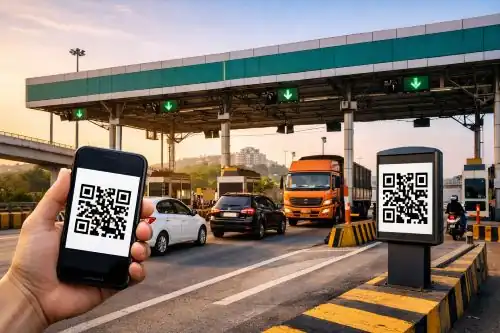
Authorities introduced QR code payments at 19 toll plazas along the Outer Ring Road. Drivers can now scan a code and pay instantly using mobile apps. This option works alongside FASTag, giving travelers more flexibility.
Why Hyderabad ORR QR Payments Matter
Traffic congestion near toll booths often frustrates drivers. Cash payments slow down the process. Even with FASTag, some vehicles still face delays due to technical issues or low balances.
QR payments solve these problems. Drivers simply scan and pay within seconds. This method reduces dependency on physical cash. It also limits contact, which many people prefer after recent health concerns.
Officials believe this system will improve traffic flow during peak hours. They expect smoother movement across all entry and exit points on the ORR.
How The QR Payment System Works
The process is simple and user-friendly. Each toll lane displays a unique QR code. Drivers open any supported payment app and scan the code. They enter the toll amount and confirm the payment.
Once the payment succeeds, the system registers it instantly. The barrier opens without delay. This smooth process saves time for both drivers and toll staff.
Many popular UPI-based apps support this feature. Users do not need special registration. Anyone with a smartphone can use the service.
Benefits For Daily Commuters
The introduction of Hyderabad ORR QR Payments offers several advantages:
- Faster toll clearance during rush hours
- Reduced waiting time at plazas
- No need to carry cash
- Backup option when FASTag fails
- Easy tracking of payments through apps
Commuters who travel daily on the ORR will notice a clear difference. The system reduces stress and saves fuel by cutting idle time.
Impact On Traffic Flow
Traffic experts expect a positive impact on road efficiency. Long queues often form during weekends and holidays. QR payments will help manage these situations better.
When more vehicles use digital payments, toll processing becomes quicker. This reduces congestion and improves overall road discipline.
Authorities plan to monitor usage closely. They may expand the system based on user response and performance.
Support For Digital India Push
This move supports India’s broader digital payment goals. The government encourages cashless transactions across sectors. Toll plazas play a key role in this transition.
Hyderabad continues to adopt smart city solutions at a fast pace. The ORR project stands as a major example of modern infrastructure combined with technology.
Challenges And Early Observations
While the system looks promising, some challenges remain. Not all drivers feel comfortable using QR payments. Network issues may also affect transactions in some areas.
Officials have deployed support staff at toll plazas. They assist users who face problems during payment. Awareness campaigns will help increase adoption over time.
Early feedback from commuters shows positive reactions. Many users appreciate the convenience and speed of the system.
Future Plans For Expansion
Authorities may expand QR payment systems to more highways in Telangana. Success on the ORR could encourage similar upgrades across India.
They also plan to integrate advanced features. These may include automatic fare detection and app-based alerts for toll charges.
The focus remains on creating a seamless travel experience. Technology will continue to play a major role in this transformation.
Conclusion
Hyderabad ORR QR Payments mark a strong step toward smarter transportation. The system offers speed, convenience, and flexibility for all road users. It also reduces congestion and promotes digital transactions.
As more drivers adopt this method, toll plazas will become faster and more efficient. Hyderabad once again sets an example in urban innovation and smart mobility.